Cairns Concrete Sealing Contractors
Call (07) 4043 7499Concrete Sealing in Cairns
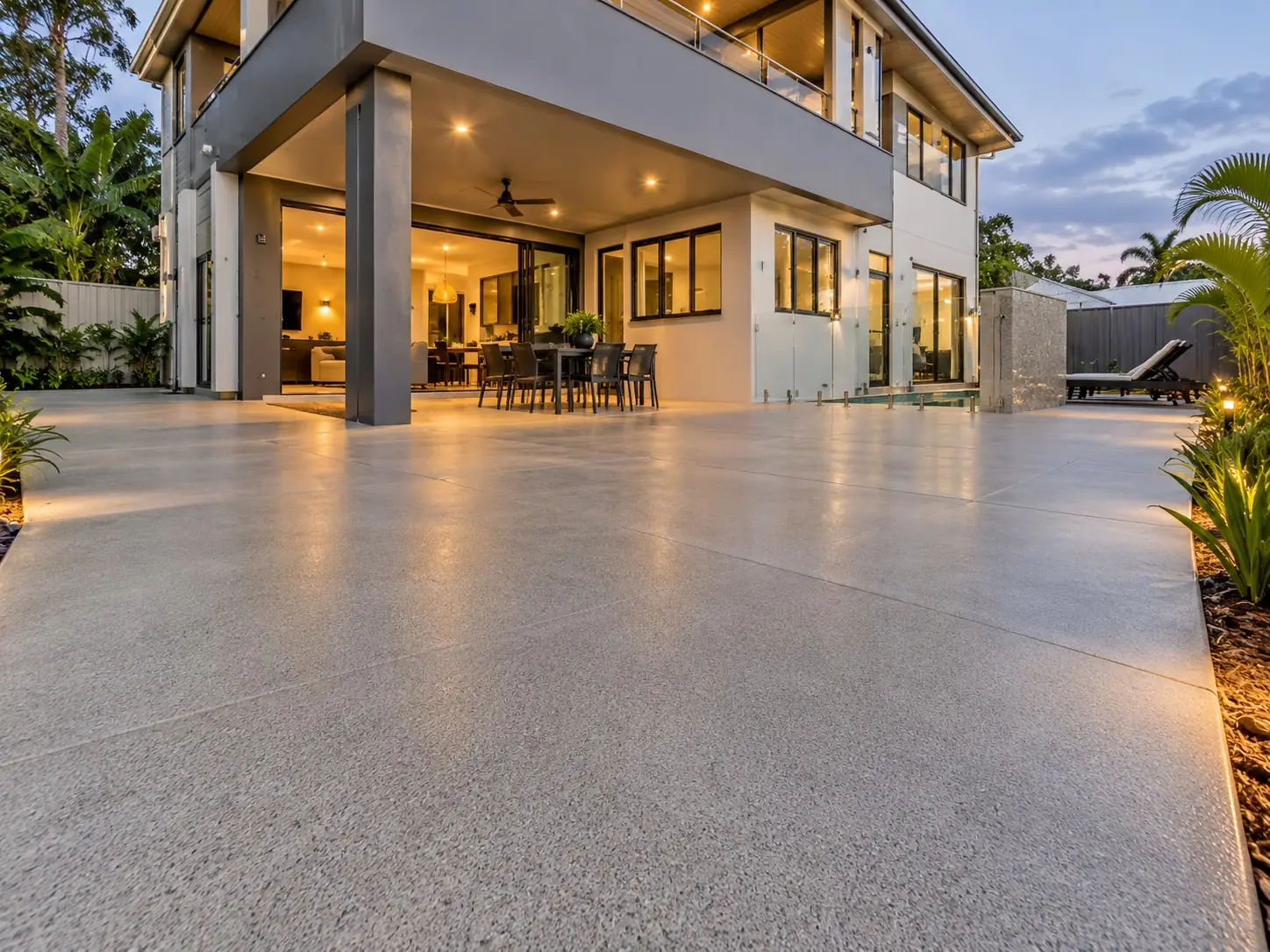
Concrete sealing in Cairns protects your surfaces from the tropical weather that breaks them down. Sun, heavy rain, humidity, mould and oil stains all take their toll on unsealed concrete, leaving it dull, stained and prone to damage. A quality sealer brings back the colour, repels water and makes cleaning far easier, extending the life of driveways, patios, paths and pool decks, so you spend less on costly future repairs.
We clean and prepare the surface thoroughly, repair minor defects and apply the right sealer for your concrete and finish, whether you want a natural look or a rich, glossy shine. Sealers can also add slip resistance where needed. Regular resealing keeps your concrete looking its best for years to come. Contact us today to discuss your surfaces and arrange a quote for professional concrete sealing that protects your investment.
Concrete Sealing Services in Cairns
Shaded Area Mould Protection
Concrete on the shady side of the house or under a heavy canopy stays damp for days and turns black with mould. A sealer that cuts water absorption gives spores less moisture to feed on, so these patches are slower to discolour and easier to hose off.
Coastal Salt Air Sealing
Homes near Trinity Beach, Palm Cove or Yorkeys Knob collect a steady film of salt on every outdoor surface. Sealing slows salty moisture from soaking into the concrete, which helps driveways, paths and patios along the beachfront hold up better over time.
Garage Floor Sealing
Oil drips, brake fluid and tyre marks soak quickly into a bare garage floor. A tough clear or tinted sealer keeps spills sitting on top so they wipe up, cuts down concrete dust settling on stored gear and gives the space a cleaner, more finished look.
Decorative Finish Enhancing
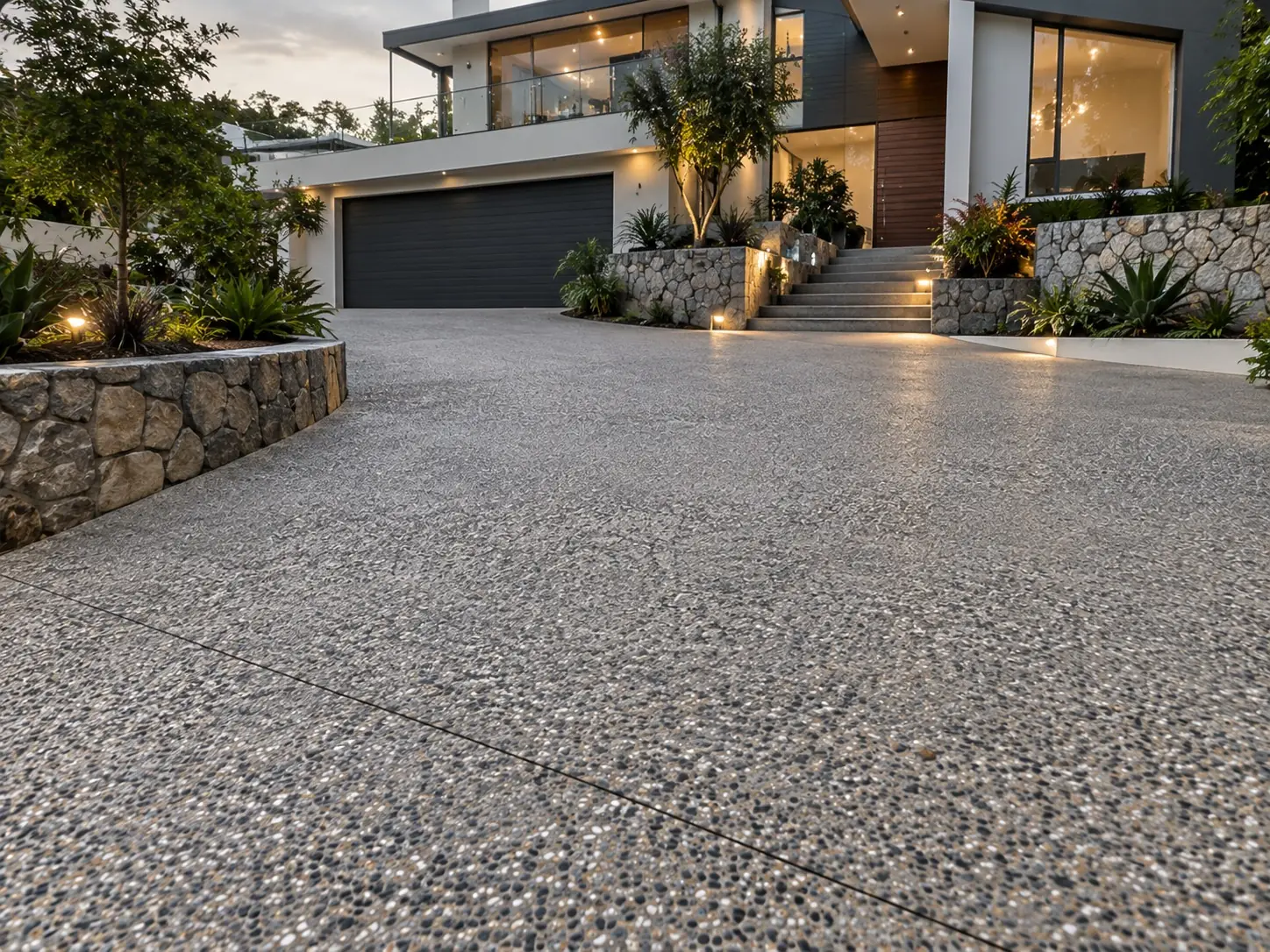
Pattern-stamped, tinted and pebble-finish surfaces lose their punch as UV bleaches the top layer. A colour-enhancing sealer deepens the stone and pattern again, with the sheen kept close to natural or taken to a stronger wet look, depending on what you prefer.
Stripping Failed Sealer
Old sealer that has gone white, cloudy or started peeling in patches is removed before anything new goes on. Recoating over a failing film only traps the problem underneath, so we strip it back with a suitable remover and begin again on bare concrete.
Paths, Steps and Entries
Front paths, entry steps and porch slabs take daily foot traffic, fallen leaves and garden runoff. Sealing helps them resist dirt and tannin marks from overhanging trees, keeping the approach to your front door looking cared for between cleans.

Hire Concrete Sealing Contractors in Cairns: Three Easy First Steps
Mould, oil drips and faded colour are common on unsealed concrete around Cairns, especially in shady, damp corners. A quality sealer helps keep the surface cleaner for longer, and getting started with our sealing team is easy.
- Snap the stains: Photograph oil marks, black mould or tyre scuffs and tell us whether the area is a driveway, patio or pool surround.
- Ask for a surface check: We visit to see how porous the concrete is and whether cracks or old coatings need attention before sealing.
- Talk through sheen levels: Decide between a natural, low-sheen look and a wet-look gloss that deepens colour, with advice on slip resistance for each.
Good sealing starts with a deep clean, so we pressure wash, treat mould and repair small defects before any product is applied. We also explain how often your surface is likely to need resealing in our climate. Drop us a line today and organise a free quote for your concrete.
What Sets Our Concrete Sealing Team Apart in Cairns
Test Patch Before Full Coat
Sealers can darken concrete more than people expect, especially colour-enhancing products on plain grey slabs. We seal a small, out-of-the-way patch first, letting you judge the colour shift and sheen in daylight before we commit to the whole area.
Breathable Products For Damp Ground
Slabs on low, wet ground near creeks or on the Barron delta push moisture up from below. On those sites we lean towards breathable sealers that let vapour escape, so the finish does not lift or blush white during the wet season.
Sealing Booked For Dry Spells
Rain landing on uncured sealer leaves marks and weak spots. We aim for the dry season where we can, keep an eye on the radar through the build-up months and will move a booking rather than race an afternoon storm.
Thin, Even Coats Every Time
Sealer that pools in low spots or goes on too thick is the first to turn white and peel. We apply measured coats with the right roller or sprayer and back-roll as we go, keeping the film even along edges and joints too.
Nearby Surfaces Protected
Overspray on render, garage doors or garden beds is hard to remove once it cures. We mask walls, cover plants and tape off thresholds before starting, then leave clear advice on when you can walk and drive on the surface again.
Fresh Slabs Given Time To Dry
A newly poured slab still holds a lot of water, and in tropical humidity it gives that up slowly. We hold off until the concrete is ready to take sealer, even if that means a second visit, because sealing early leaves a cloudy, milky film.
Concrete Works in Cairns


Concrete Sealing FAQs
Straight answers on sealing concrete in Cairns: how long a coat lasts, whether it stops cracks, keeping grip in the wet and choosing between penetrating and film-forming products.
A common guide is every three to five years, but sun, traffic and the type of sealer shift that a lot. A west-facing driveway that bakes all afternoon and carries two cars a day wears its coat out faster than a covered patio. Penetrating sealers fade gradually, while film-forming ones tend to show wear in the tyre tracks first. The simplest check is to splash some water on the surface: if it beads, the sealer is still working, and if it darkens the concrete and soaks in, it is time. Patchy colour, chalky aggregate and mould returning quickly in shady corners are other signs worth acting on.
No. Cracks come from the concrete shrinking as it cures, from movement in the ground below and from overloading with weights it was never designed for, and a coating on the surface cannot change any of those. Reactive clay that swells in the wet and shrinks in the dry is a common cause around Cairns. What sealing can do is limit how much water gets into the concrete and into existing hairline cracks, which slows surface wear and mould growth and, over many years, reduces the chance of moisture reaching the steel. So it helps a slab age well, but if cracks are opening up, the cause needs looking at first.
Some sealers are, especially glossy film-forming products on smooth or honed surfaces, and that is a fair concern on a steep drive or a pool surround after a downpour. There are a few ways to manage it. A fine anti-slip grit can be added to the final coat, which you barely notice once it dries but which gives shoes and tyres far more bite. A penetrating sealer changes the feel of the surface very little, so it suits areas where grip comes first. Choosing a satin or matte finish over a high gloss also helps. We will point out any spots on your property where we think grip should take priority over shine.
Usually, provided the slab is sound, but the result depends on the cleaning more than the sealer. Anything left on the surface gets locked under the coat, so the effort goes into degreasing oil drips, killing mould and lichen and, for stubborn marks, light grinding or etching to open up the surface. Some old stains, such as rust from a trailer or oil that has soaked in for years, may fade without disappearing, and we will tell you which ones before we start. If the concrete is marked all over but structurally fine, a resurfacing coat can sometimes be better value than cleaning and resealing.
A penetrating sealer soaks into the pores and reacts inside the concrete, cutting water absorption without leaving a coating you can see. The surface keeps its natural look and texture, with no gloss and no film to peel, though it resists oil and food stains less well. A film-forming, or topical, sealer sits on top as a thin layer. It gives better stain protection and can deepen colour or add a wet look, but it wears and eventually needs stripping or a careful recoat. Decorative concrete such as exposed aggregate or coloured finishes usually suits a topical product, while a plain driveway you want left looking natural often suits a penetrating one.
Other services you might need
Ready to protect your concrete?
Let us know which surfaces you want sealed and we will drop by to check their condition.